|
|
|
|
|
|
||
Schaum's Easy Outline Applied Physics |
|||||||||||||||||||||||||
|
|||||||||||||||||||||||||
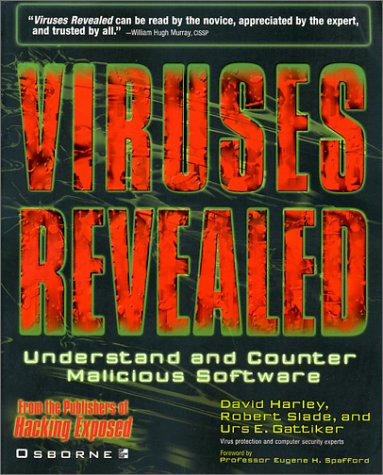
Viruses Revealed |
|||||||||||||||||||||||||
|
|
||||||||||||||||||||||||
| Hardly a week goes by without news of some malicious program or other playing hob with large numbers of computers somewhere on the Internet. Viruses Revealed shows where computer viruses come from, how they spread, and how you can protect the computers you're responsible for. It recognizes that viruses are inherent in the modern computing environment (which makes it easy to share data among machines) and that there's no absolutely certain way to maintain any degree of usefulness in a computer while eliminating all risk of viral infection. From there, the three authors proceed to make their readers informed participants in a dangerous computing world. They do this by defining terms (like dropper, a program that isn't a virus itself but which serves to install one), explaining concepts (like the difficulties antivirus programs face in detecting Trojan programs), and documenting historical events (infamous viruses of the past--Love Bug, Kournikova, and so on--and why they worked). To their great credit, the authors go to great lengths to be authoritative. They document pretty much everything they say with references and rarely assume that the reader knows what any but the most basic terms mean. Furthermore, they're modest and don't claim that what they say will save your machines from viral attack. Rather, they say that appropriate defenses will reduce your risk of infection, and solid documentation, backup, and recovery mechanisms will help you halt successful attacks early and recover from them promptly. The prose here is well written and often funny--Viruses Revealed is a big winner. --David Wall Topics covered: Computer viruses--what they are, where they come from, how they work, and how to deal with them. A combination of case studies and explanatory prose shows how to minimize your virus risk, regardless of what kinds of computers you run. |
|||||||||||||||||||||||||
Network Security Illustrated |
|||||||||||||||||||||||||
|
|||||||||||||||||||||||||
Digital Animation Bible |
|||||||||||||||||||||||||
|
|||||||||||||||||||||||||
Incident Response: Computer Forensics |
|||||||||||||||||||||||||
|
|||||||||||||||||||||||||
Windows 2000 & Windows Server 2003 Clustering & Load Balan Cing |
|||||||||||||||||||||||||
|
|||||||||||||||||||||||||
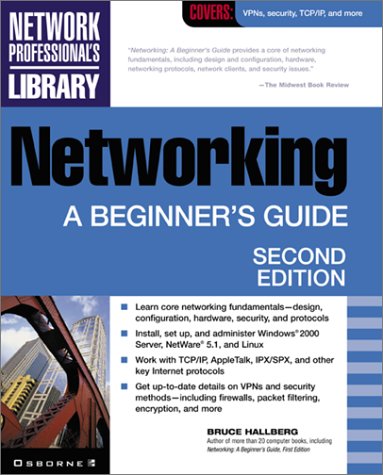
Networking: A Beginner's Guide |
|||||||||||||||||||||||||
|
|
||||||||||||||||||||||||
| There's a chapter in Networking: A Beginner's Guide called "Network Servers: Everything You Ever Wanted to Know but Were Afraid to Ask." The chapter title encapsulates this book's raison d'être. It's a compendium of network engineers' essential knowledge, the stuff you really need to have a handle on to build, operate, and grow local area networks (LANs) and wide area networks (WANs). Author Bruce Hallberg lays down a lot of conceptual material and then takes a three-pronged approach to implementation specifics. For Novell NetWare 5, Microsoft Windows 2000 Server, and Linux 2.2.x (particularly in its Red Hat Linux 6.1 form), the reader will find specific directions for setting up and running a particular kind of network infrastructure. One might wish for more information on setting up services (such as Samba under Linux, which isn't covered), but you'll likely want to buy at least one other book dedicated to the operating system you choose, and that book should cover services in detail. This book derives a lot of its value from the fact that Hallberg isn't shy about sharing his opinions. For example, he comes out against managing your own modem farm (and in favor of access via the open Internet) in most situations, citing the considerable nuisance aspect of such work and the appeal of Internet Service Provider (ISPs) technical support resources. The procedural information in this book is strong as well, but most readers will especially like the general wisdom the author shares. His approach to administration decisions is to describe his thought process, in which he identifies the relevant issues, weighs the importance of each, and investigates the suitability of competing solutions to the problem. He also uses sidebars to great effect, answering small but important questions ("What's a thread?") concisely and accurately. --David Wall Topics covered: Networking for newcomers to network administration, with emphasis on hardware, cabling, topologies, protocols, directory services, and remote access. Operations of clients and servers are detailed. Platform-specific information on Novell NetWare 5, Microsoft Windows 2000 Server, and Red Hat Linux 6.1 is also included. |
|||||||||||||||||||||||||
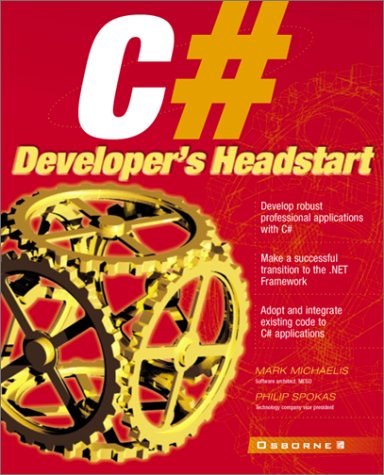
C# Developer's Headstart |
|||||||||||||||||||||||||
|
|
||||||||||||||||||||||||
Total:( 9 )
Page:(
1 /
1 ) |
    |
|
|
|
Copyright © 2002 - 2008 iTePub.Group All Rights Reserved |