|
|
|
|
|
|
||
Joe Celko's SQL Programming Style (The Morgan Kaufmann Series in Data Manageme |
|||||||||||||||||||||||||
|
|||||||||||||||||||||||||
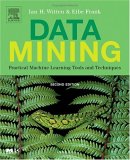
Data Mining: Practical Machine Learning Tools and Techniques, Second Edition (Mo |
|||||||||||||||||||||||||
|
|
||||||||||||||||||||||||
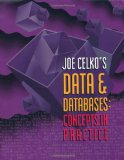
Joe Celko's Data and Databases: Concepts in Practice (The Morgan Kaufmann Seri |
|||||||||||||||||||||||||
|
|
||||||||||||||||||||||||
| Don't think Joe Celko's Data and Databases: Concepts in Practice is for computer beginners. It starts by defining mathematically what data is, relationships between data, and how all this becomes the information and wisdom that you really want from your database, with a host of fascinating examples and warnings. Read the introduction and you'll even understand statistics better. The data and relationships in any database are only ever a subset of the real world with just the attributes and relationships that matter to how your database needs to work. As well as explaining all the concepts you need to build and design databases, Celko shows why these matter and how to decide what entities to use to represent data. He covers the major database design techniques; this soon becomes technical, with code snippets and references to various database theories, but usually the examples make sense of it all. The section on time is fascinating as well as useful, but while the Y2K discussion covers all the important issues, it does seem dated, referring to problems in DOS and Windows 3.1 rather than Windows NT or Windows 95/98. Read this to understand the problem, not for information on how to fix it. The details of how to deal with numerical data, text and "exotic" data like multimedia and geographical information, how to encode data, and how to check for errors are certainly useful, but oddly all of these come before the explanation of what relational databases actually are and how they work. You'll still need to learn the specifics of whatever database application you plan to use, but if you're a computer professional and you need a fast introduction to the nuts and bolts of database theory and programming, start here. --Penny Jannifer, amazon.co.uk |
|||||||||||||||||||||||||
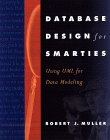
Database Design for Smarties: Using UML for Data Modeling (The Morgan Kaufmann S |
|||||||||||||||||||||||||
|
|
||||||||||||||||||||||||
| If you want to see how your next database project can profit from object-oriented design, check out Database Design for Smarties, a lively and intelligent guide to using objects in databases. The book begins with a tour of some underlying factors in modeling databases. Here, the author distinguishes between the external, conceptual, and internal models of database design.) Then it's on to data architectures, be they the traditional relational or the newer object-relational and object-oriented (OO) database types. After discussing some of the pitfalls of gathering and implementing user requirements, the author looks at UML notation for use case diagrams. (His example here, a crime database for tracking Sherlock Holmes's stories, along with criminals and clues, is both intelligent and entertaining.) The author's guide to UML class design is topnotch. He covers basic and advanced OO concepts such as inheritance, aggregation, composition, and polymorphism with clear and concise explanations. He also shows you how to model business rules using objects and UML class diagrams. The most valuable part of this book comes with the mapping of UML class diagrams onto three different kinds of databases: relational (on Oracle7), object-relational (on Oracle8), and object-oriented (on the POET platform). The author shows how to emulate object-oriented ideas successfully using stored procedures and triggers, even if you are not running on a "true" object-oriented platform. Exceptionally well-written and clear, Database Design for Smarties offers consistently invaluable advice on how to take advantage of objects to create simpler and more maintainable database designs. --Richard Dragan |
|||||||||||||||||||||||||
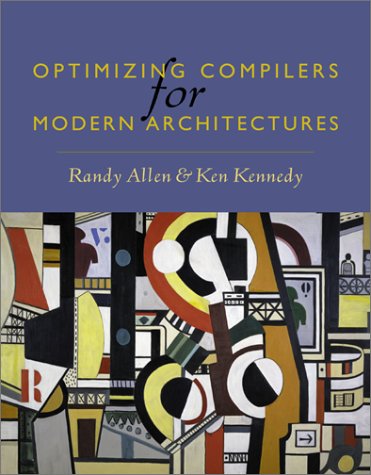
Optimizing Compilers for Modern Architectures: A Dependence-based Approach |
|||||||||||||||||||||||||
|
|
||||||||||||||||||||||||
Engineering a Compiler |
|||||||||||||||||||||||||
|
|
||||||||||||||||||||||||
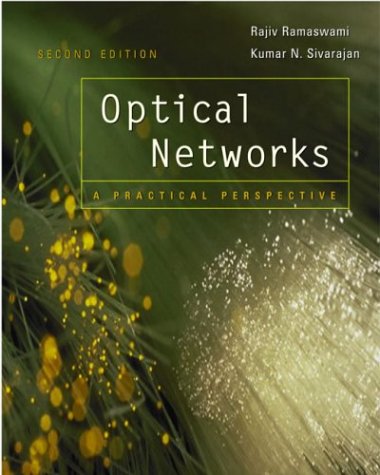
Optical Networks: A Practical Perspective (Second Edition) (The Morgan Kaufmann |
|||||||||||||||||||||||||
|
|
||||||||||||||||||||||||
| The first edition of Optical Networks: A Practical Perspective accumulated lots of happy readers, largely because the authors took care to explain the physical phenomena that allow light to carry information, as well as the design principles that characterize good optical networks, particularly wavelength division multiplexing (WDM). Very little was assumed, and even the most complicated formulas appeared alongside annotations that shed light (sorry) on the behavior being described. The latest edition of the book has everything that made the first edition great--the physics haven't changed much, after all--as well as up-to-date information about networking equipment and techniques. The second edition is a first-class revision; you'll want it even if you already own the old version. Fully half of this book has more to do with network engineering than with theoretical matters. The authors take care to discuss all aspects of optical data communications with efficiency (in terms of capacity utilization, management effort, and monetary cost) in mind. There's not a lot of discussion of vendors' specific products, so you'll have to look elsewhere for configuration instructions. But for getting your network designed and understanding how its components communicate data and provide redundancy--as well as for providing reference to other authoritative works--this book is tops. --David Wall Topics covered: Tools and technologies for communicating data (including digitized voice signals) over fiber-optic cables. SONET gets a lot of attention, as does wavelength division multiplexing (WDM) as a technique for increasing capacity. Network design--with an eye toward efficiency and survivability--is dealt with in authoritative detail. |
|||||||||||||||||||||||||
Level of Detail for 3D Graphics (The Morgan Kaufmann Series in Computer Graphics |
|||||||||||||||||||||||||
|
|
||||||||||||||||||||||||
Java: Practical Guide for Programmers (The Practical Guides) |
|||||||||||||||||||||||||
|
|||||||||||||||||||||||||
Total:( 61 )
Page:(
1 /
7 ) |
    |
|
|
|
Copyright © 2002 - 2008 iTePub.Group All Rights Reserved |